Quick Facts
- Timeline: Day 0 marks the precise moment of symptom onset or the first positive diagnostic test.
- Acute Window: The first 72 hours of infection are critical for implementing home strategies to reduce risk of long-term viral symptoms.
- Recovery Rate: The World Health Organization reports that the median time from symptom onset to clinical recovery for mild viral infections is approximately two weeks.
- Success Metric: Clinical research indicates that approximately 80% of individuals with non-severe viral infections achieve full recovery within 30 days of symptom onset.
- Return to Activity: You must remain 24 hours fever-free without the use of fever-reducing medication before resuming light movement.
- Hydration Protocol: Targeted electrolyte replenishment is significantly more effective than consuming plain water alone during the acute phase.
- Fatigue Management: Effective viral recovery strategies prioritize pacing over graded exercise to prevent post-exertional malaise.
Effective viral recovery strategies focus on aggressive hydration with electrolyte replenishment and prioritized rest to support immune system modulation. Utilizing evidence-based home care protocols, including early interventions like metformin, can significantly reduce the risk of long-term complications. This guide outlines the essential home remedies for viral infection and a clear timeline for returning to activity after viral infection.
Managing a viral illness at home requires more than just waiting for the fever to break; it involves a proactive, clinical approach to support the body’s natural defenses. By understanding the biological mechanisms of recovery, we can move beyond basic comfort measures toward a structured protocol that ensures long-term wellness. Recent 2026 clinical updates emphasize that the acute phase is the critical window for preventing long-term complications, moving the focus from simple symptom relief to active immune system modulation.
Strategy 1: The Day 0 Protocol and Early Clinical Intervention
The concept of Day 0 is foundational in modern viral recovery strategies. Day 0 is defined as the very first day you experience symptoms—even if they are mild, such as a scratchy throat or unusual fatigue—or the day you receive a positive test result. Identifying this moment allows you to track the progression of the illness objectively and ensures that you do not miss the window for early-phase interventions.
During this early stage, symptom tracking becomes your most valuable tool. Keeping a simple log of temperature, heart rate, and subjective energy levels helps you identify whether you are improving or if complications are beginning to arise. This objective data is crucial if you eventually need to consult a healthcare provider, as it provides a clear picture of the infection’s trajectory.
Evidence supports the use of specific interventions like metformin during the early infection stage to reduce the risk of persistent symptoms. Clinical findings from 2026 suggest that metformin acute-phase use, when initiated within the first three days of symptom onset, may reduce the risk of developing long-term viral complications by up to 63%. While this requires a prescription and professional medical oversight, it highlights why early detection and home strategies to reduce risk of long-term viral symptoms are so vital. By acting quickly, you are not just treating a current illness; you are protecting your future health.
The 72-Hour Window
The first three days of a viral infection represent the acute phase where viral replication is at its peak. During this time, the goal is to lower the viral load and support the initial innate immune response. This is not the time to "push through" or continue working from home. Immediate cessation of high-stress activities allows the body to redirect all metabolic energy toward immune system modulation.
Strategy 2: Precision Hydration and Nutrient Density
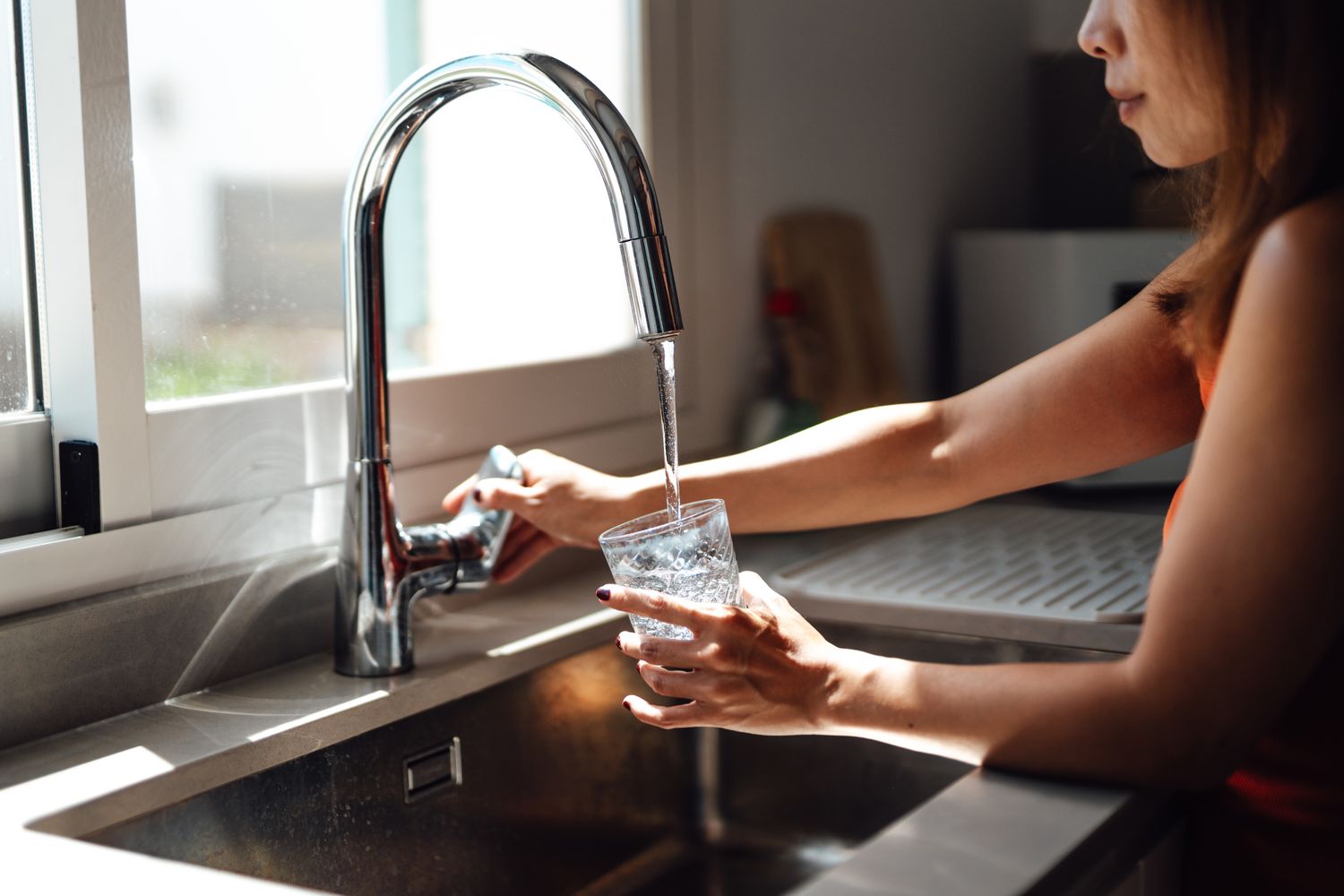
When we talk about rest and hydration for viral recovery, we must look beyond the standard advice to "drink plenty of fluids." During a viral infection, the body loses fluids not just through sweat and respiratory vapor, but also through the increased metabolic demands of a fever. Simple water is often insufficient because it can dilute blood sodium levels, leading to further fatigue and cellular dysfunction.
Precision hydration involves electrolyte replenishment featuring specific ratios of sodium, potassium, and magnesium. These minerals act as the electrical conductors for your cells, ensuring that the fluid you drink actually enters the intracellular space where it is needed most. Conversely, high-sugar sports drinks should be avoided, as elevated glucose levels can actually impair the inflammatory response and slow down the healing process.
Symptom-to-Solution Hydration Map
| Symptom | Fluid Requirement | Mechanism of Action |
|---|---|---|
| Low-grade fever | Standard water + 1 electrolyte tablet | Offsets increased respiratory fluid loss. |
| High fever/Sweating | 500ml water + high-sodium electrolyte | Replaces salt lost through thermoregulation. |
| Nausea/Reduced intake | Bone broth or diluted juice with sea salt | Provides amino acids and minerals when solids are difficult. |
| Congestion/Mucus | Warm herbal teas (ginger/lemon) | Helps thin mucus secretions for easier clearance. |
Alongside hydration, you should focus on how to optimize nutrition and hydration for viral healing by prioritizing nutrient-dense foods. Your immune cells require specific building blocks—namely protein, zinc, and vitamins A, C, and D—to function effectively. Instead of processed "comfort foods," focus on easy-to-digest, nutrient-dense options like soups, stews, and smoothies that provide high caloric value without requiring significant energy for digestion.
Strategy 3: Environmental Infection Prevention and Restorative Rest
A restorative home environment is a cornerstone of managing viral symptoms at home. This means creating a space that facilitates deep sleep architecture, which is the period when the body performs the bulk of its cellular repair and immune memory consolidation. Keep your recovery room cool, dark, and well-ventilated to assist with natural thermoregulation and air exchange.
Infection prevention and control measures are also vital for both patient recovery and caregiver safety. If you share a home, maintain source control by masking when in common areas and ensuring high-quality air filtration. The 2026 protocols suggest maintaining these measures until at least Day 7, or until symptoms have significantly resolved, to prevent the "ping-pong" effect of re-infection within a household.
Optimizing Sleep for Recovery
- Consistent Temperature: Keep the room between 65-68°F (18-20°C) to help manage body temperature fluctuations.
- Light Blockage: Use blackout curtains to support natural melatonin production, which has its own anti-inflammatory properties.
- Strategic Antipyretics: Use antipyretics like ibuprofen or acetaminophen specifically before bed to prevent fever-induced sleep fragmentation.
- Elevation: If respiratory symptoms are present, sleep with your head slightly elevated to improve oxygenation and drainage.
By managing the environment, you reduce the external stressors on the body, allowing the immune system to remain focused on the internal threat.
Strategy 4: Functional Recovery: Pacing vs. Graded Exercise
One of the most common mistakes in viral recovery strategies is returning to exercise too quickly. Post-viral fatigue is not like normal tiredness; it is a sign of mitochondrial dysfunction and ongoing systemic inflammation. To mitigate post-viral fatigue and cognitive dysfunction, home-based pacing strategies are essential during the convalescence phase.
Pacing is the practice of staying within your "energy envelope." Instead of pushing until you feel tired, you stop while you still have energy left. This prevents post-exertional malaise, a state of profound exhaustion that can occur 24 to 72 hours after even minor physical or mental effort. While many people are familiar with graded exercise—slowly increasing intensity—modern clinical evidence suggests that pacing is far safer and more effective for viral recovery.
The 24-Hour Rule and Timeline
The timeline for returning to activity after viral infection is governed by the 24-hour rule. You must be completely free of fever for a full 24 hours without the help of medications like Tylenol or Advil before you attempt any activity beyond basic self-care.
Once this milestone is reached, the return to activity should follow a structured sequence:
- Convalescence phase: Only essential movement (showering, light meal prep) for the first 3-5 days post-fever.
- Cognitive load: Gradually reintroduce screen time and reading before physical movement.
- Gentle mobility: 10-15 minutes of light stretching or slow walking.
- Resumption: If no fatigue occurs 24 hours after gentle mobility, slowly increase duration, but keep intensity low for at least two weeks.
If at any point you experience cognitive dysfunction (brain fog) or a return of symptoms, you must immediately return to the previous level of rest.
Strategy 5: Safety Monitoring and the Decision Guide
For respiratory infections, utilizing pulse oximetry monitoring allows for objective tracking of recovery progress and early detection of complications in a home setting. A pulse oximeter measures the oxygen saturation in your blood; for most healthy individuals, a reading between 95% and 100% is normal. If you notice a downward trend or readings consistently below 94%, it is time to contact a healthcare professional.
Establishing a safe recovery protocol means knowing when home care is no longer sufficient. While 80% of cases recover without complication, the remaining 20% require vigilant monitoring to ensure that secondary infections like pneumonia or cardiovascular strain are caught early.
Medical Alert: The Decision Guide Seek emergency medical care immediately if you or the patient experiences:
- Shortness of breath or difficulty breathing while at rest.
- Persistent chest pain or pressure.
- New confusion or inability to wake/stay awake.
- Pale, gray, or blue-colored skin, lips, or nail beds.
- A fever that returns after being gone for more than 24 hours.
Managing viral symptoms at home is a balance of science and intuition. By following these evidence-based home care protocols for acute viral recovery, you provide your body with the best possible environment to heal efficiently and completely.
FAQ
How can I speed up recovery from a viral infection?
While you cannot force a virus to leave your body faster, you can optimize the environment for your immune system. This includes aggressive hydration with electrolytes, maintaining a high-nutrient diet, and strictly adhering to pacing strategies to prevent relapses. Early interventions within the first 72 hours, such as using metformin acute-phase use under medical guidance, are also proving effective in clinical studies for a smoother recovery.
What are the best foods to eat during viral recovery?
Focus on nutrient-dense, easy-to-digest foods that support the inflammatory response. Bone broths provide essential amino acids and electrolytes, while colorful vegetables offer antioxidants like vitamin C. High-quality proteins, such as eggs or poached chicken, are necessary for cellular repair. Avoid high-sugar foods, as they can interfere with immune system modulation and increase systemic inflammation.
How long does it usually take to recover from a virus?
For a mild viral infection, the World Health Organization notes a median recovery time of about two weeks. However, the convalescence phase can extend longer, with clinical data showing that 80% of individuals reach full recovery within 30 days. Factors like age, underlying health, and how well you followed rest protocols in the first 72 hours significantly influence this timeline.
Is it safe to exercise while recovering from a viral illness?
Generally, no. You should avoid anything beyond essential movement until you have been fever-free for at least 24 hours without medication. Even then, you must use managing post-viral fatigue with home-based pacing strategies rather than returning to your normal workout routine. Pushing too hard too early can trigger post-exertional malaise, which significantly sets back your recovery timeline.
Can hydration help you recover from a virus faster?
Yes, but the quality of hydration matters. Electrolyte replenishment is superior to plain water because it maintains the osmotic balance required for cellular function and helps thin respiratory secretions. Proper hydration ensures that the blood can efficiently transport immune cells to the site of infection and remove metabolic waste products.
When should I see a doctor for lingering viral symptoms?
You should consult a physician if you experience a decision guide for seeking medical care during viral recovery red flags, such as shortness of breath, chest pain, or oxygen saturation below 94% on a pulse oximeter. Additionally, if symptoms like brain fog or extreme fatigue persist beyond the 30-day mark, it is important to seek professional advice to rule out long-term viral complications.