Our Top Picks
- Best Overall: High-performance moisture-wicking athletic gear from leading lightweight workout clothing brands that balance compression with cooling.
- Best for Extreme Heat: Gear engineered with a specific 200-260 GSM fabric weight to ensure maximum airflow and rapid evaporation.
- Best for High Intensity: Advanced compression sets featuring anti-odor smart textiles and reinforced anti-chafing seams.
- Best for Studio Workouts: High-waisted quick-dry biker shorts for summer coupled with four-way stretch fabric for total mobility.
For 2026, the best summer activewear prioritizes breathable, lightweight fabrics like recycled polyester with cooling technology to reduce skin temperature by up to 5°F during workouts. These modern textiles facilitate evaporative cooling while providing the squat-proof durability needed for everything from heavy lifting to marathon training.
2026 Summer Activewear Comparison
| Brand Category | Best For | Key Summer Feature | Price Range |
|---|---|---|---|
| Performance Elite | Outdoor Running | UV Protection & Heat Reflection | $$$ |
| Studio Flow | Hot Pilates & Yoga | 200 GSM Ultra-Lightweight | $$ |
| Power HIIT | Strength Training | High-Impact Compression | $$$ |
| Eco-Conscious | All-Day Wear | Recycled Polyester & Anti-Odor | $$ |
| Minimalist | Everyday Fitness | Seamless & Breathable | $ |
The Science of Summer Fabric: Why GSM and Wicking Matter
As we look toward the fitness landscape of 2026, the intersection of health and textile science has never been more critical. When I speak with women about their summer fitness goals, the most common hurdle isn't motivation—it's the physical discomfort of overheating. The global activewear market is projected to grow at a compound annual growth rate of 9.0% through 2033, and a significant portion of that innovation is dedicated to thermal regulation.
Choosing the right summer activewear starts with understanding the physics of cooling. In high-heat environments, your body relies on the evaporation of sweat to stay safe. Traditional cotton is a nightmare for this; it can absorb up to 27 times its weight in water, leaving you damp, heavy, and prone to skin irritation. Instead, we look toward moisture-wicking athletic gear made from synthetic fibers or treated natural blends. These smart textiles pull moisture away from the skin to the outer surface of the fabric where it can evaporate quickly.
Pro Tip: Understanding GSM GSM stands for Grams per Square Meter. For summer activewear, look for a GSM between 200 and 260. This range is the "Goldilocks zone"—heavy enough to be squat-proof and durable, but light enough to allow for significant airflow. Anything above 300 GSM is likely better suited for autumn or winter training.
Furthermore, we are seeing a massive shift toward sustainable summer activewear with cooling technology. Brands are now utilizing recycled polyester infused with minerals like volcanic ash or jade to naturally lower the fabric's temperature. These aren't just marketing gimmicks; they are essential tools for maintaining your core temperature during reproductive health cycles or hormonal shifts that might make you more sensitive to heat.
Best for Outdoor Training: UV Protection & Heat Reflection
For the runners and bootcamp enthusiasts, summer brings the challenge of direct solar radiation. It’s no surprise that T-shirts represent the most popular product category in the global athleisure market, accounting for 38.51% of total revenue, but not all shirts are created equal. When selecting lightweight summer workout clothing for outdoor running, color and UV protection apparel ratings are your best friends.
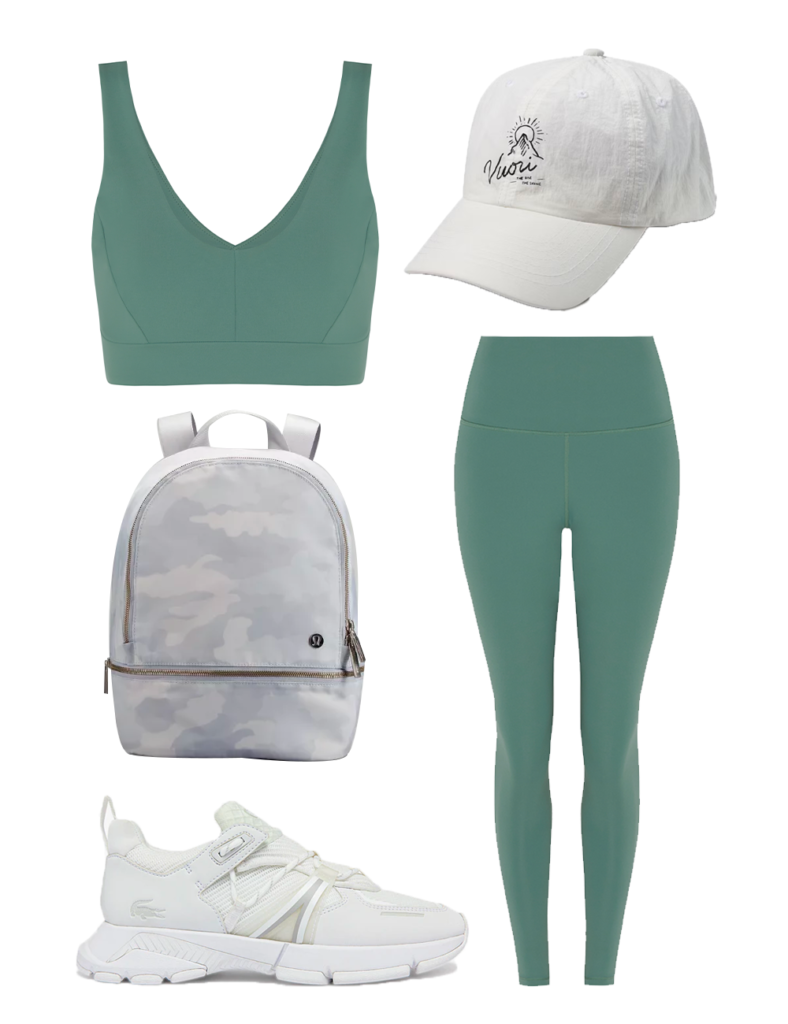
Light colorways such as sage, lavender, and crisp white aren't just aesthetic choices; they can reflect significantly more radiation than darker tones, keeping your skin surface cooler. However, reflection is only half the battle. Integrated UV protection is vital for long-duration outdoor sessions to prevent skin damage that can occur even through thin clothing.
- The Aero-Vent Runner Tee: Features mesh ventilation panels strategically placed along the spine and underarms where heat concentration is highest.
- Solar-Shield Long Sleeve: A paradoxically cool long-sleeve option for those who want maximum skin coverage without the heat trap.
- Reflective Pace Shorts: Designed with split-sides for a full range of motion and a liner made of recycled polyester that prevents chafing during long miles.
- Cool-Touch Visor & Cap: Essential accessories that utilize evaporative cooling technology in the brow band to keep sweat out of your eyes.
When you're out there hitting the pavement, remember that moisture-wicking athletic gear should feel like a second skin. Look for anti-chafing seams that are flat-locked. This construction prevents the "cheese grater" effect on your skin when salt crystals from dried sweat rub against your body during a 10k run.
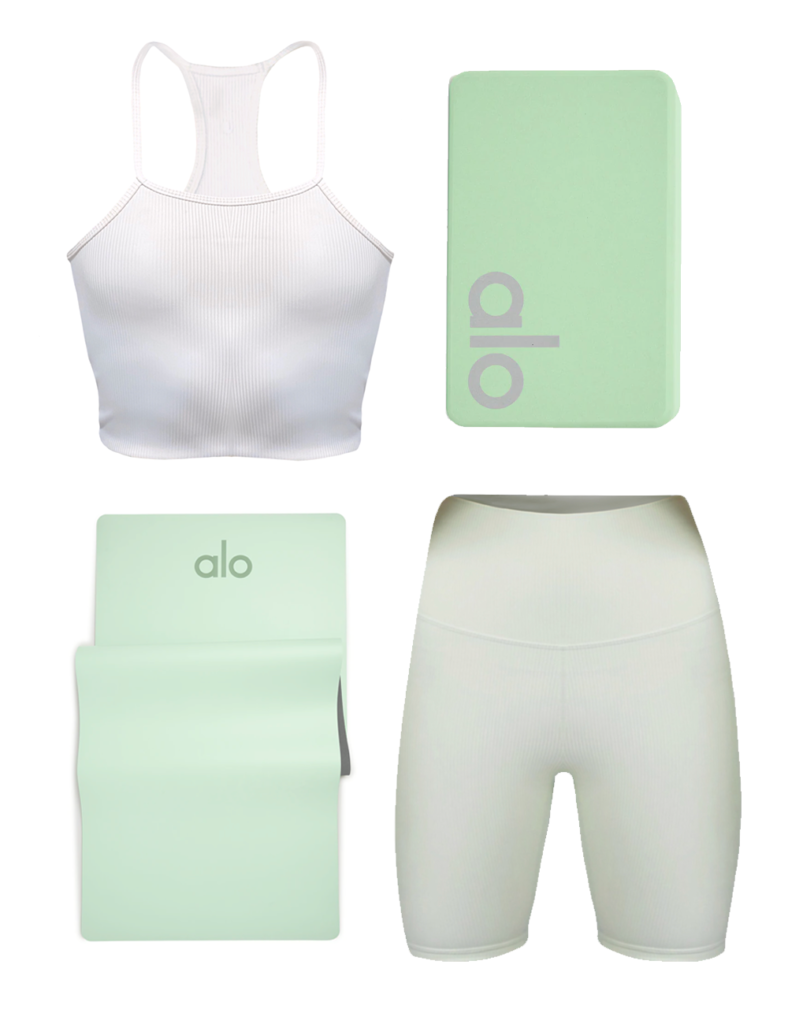
Studio Essentials: Best Breathable Gear for High Humidity
Indoor studios, especially those focused on hot pilates or power yoga, present a different set of challenges: high humidity and stagnant air. In these environments, you need the best breathable gym wear for high humidity that won't become transparent the moment you start to glow. Yoga apparel is currently the fastest-growing segment in the market, and the innovation in four-way stretch fabric is the reason why.
For these "swampy" conditions, I almost always recommend high-waisted quick-dry biker shorts for summer. They provide the necessary coverage and compression performance to keep you feeling secure during inversions, but they allow the lower legs to breathe, which is crucial for temperature regulation.
- The Second-Skin Biker: A 6-inch or 8-inch inseam option that stays in place without rolling. Look for a wide waistband that doesn't pinch the midsection.
- Ultralight Strappy Bra: For studio work, you can often trade high-impact support for maximum breathability. Look for thin, moisture-wicking straps that allow for heat release across the back.
- The Flow Tank: A loose-fitting top made from smart textiles that feels cool to the touch and drapes without clinging to a sweaty torso.
- Seamless Micro-Leggings: If you prefer full length, ensure they feature laser-cut perforations or mesh ventilation panels around the knees and calves.
The psychological benefit of feeling dry during a humid class cannot be overstated. When your gear handles the moisture, you can focus on your breath and your form rather than a slipping yoga mat or a heavy, sodden waistband.
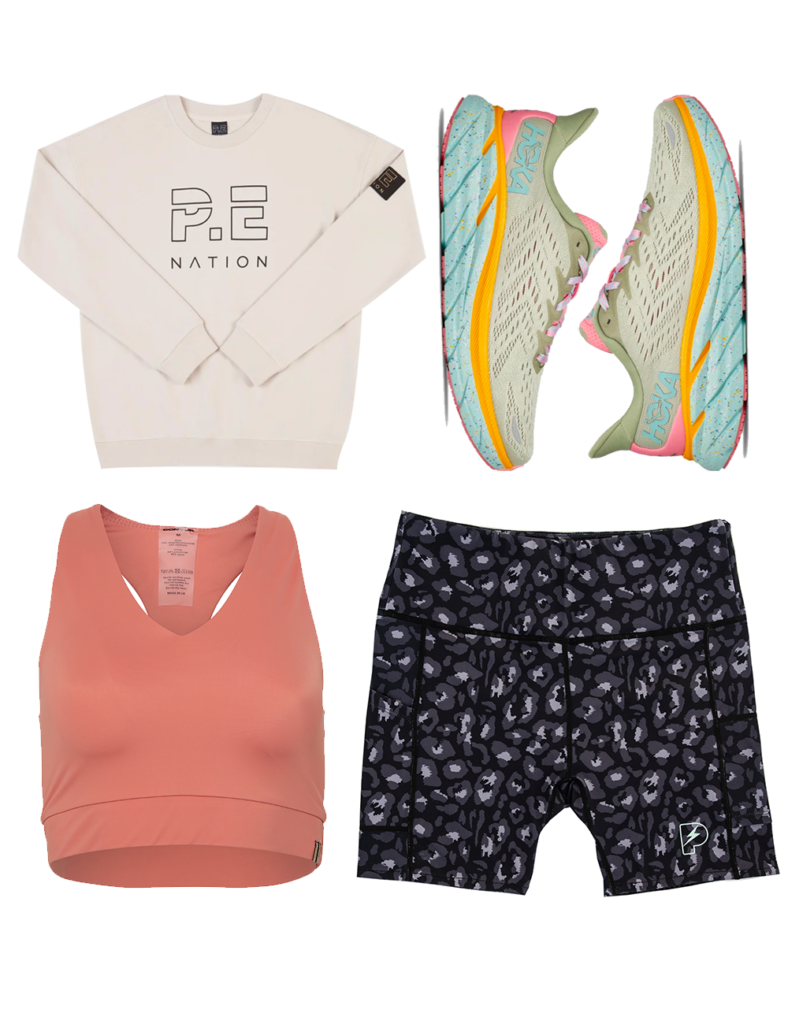
High-Intensity Performance: HIIT & Strength Picks
When the timer starts for a HIIT circuit or a heavy lifting session, your summer activewear needs to work as hard as you do. This is where compression performance meets ventilation. Many women worry that compression will be too hot for summer, but modern breathable gym wear for women uses open-knit structures to provide support without insulation.
For high-intensity workouts, your foundational piece is undoubtedly the bra. You need breathable sports bras for high-intensity summer workouts that utilize molded cups with perforations. This allows air to circulate around the chest wall, a high-heat zone, while still providing the "locked-in" feel required for box jumps or burpees.
- Impact-Air Sports Bra: Uses a combination of encapsulation and compression with mesh overlays for 360-degree airflow.
- The Velocity Power Suit: A one-piece option that eliminates the waistline gap, perfect for functional fitness where you're moving through multiple planes of motion.
- Grip-Tech Training Shorts: Feature a silicone-free interior grip to ensure they don't ride up during squats or sprints.
- Anti-Odor Training Tee: Treated with silver-ion or similar eco-friendly smart textiles to prevent the buildup of bacteria that causes "gym funk" in the heat.
Strength training also demands durability. Ensure your summer picks are "squat-proof"—meaning the fabric maintains its opacity even when stretched to its limit. Many lightweight workout clothing brands now offer "air-weights" that provide this security without the bulk of traditional winter leggings.
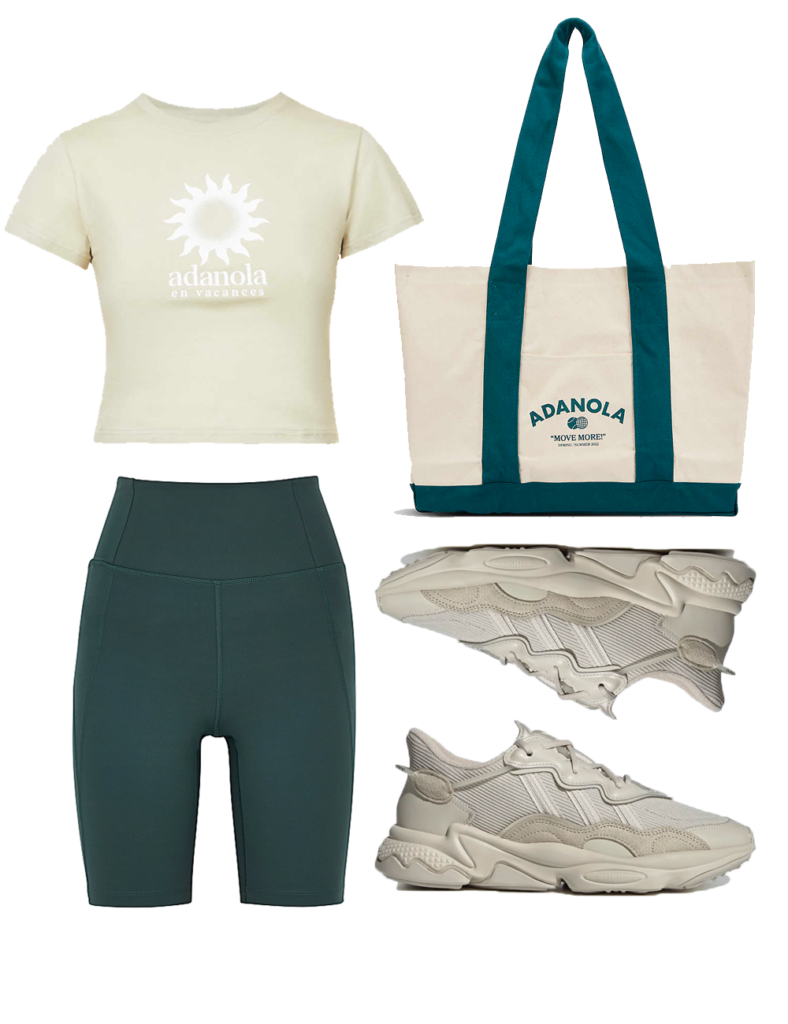
A Holistic Approach to Summer Fitness
As an editor, I always emphasize that what you wear is a form of self-care. Choosing sustainable summer activewear with cooling technology isn't just about fashion; it's about honoring your body’s need for homeostasis. When we support our physiological cooling mechanisms, we reduce the perceived exertion of our workouts, meaning we can train longer, recover faster, and—most importantly—enjoy the process more.
Whether you are navigating the humidity of a local studio or the direct sun of a coastal run, let your gear be your ally. Look for those 200-260 GSM weights, prioritize four-way stretch fabric, and never underestimate the power of a well-placed mesh panel.
FAQ
What is the best fabric for summer activewear?
The best fabric for summer is typically a synthetic blend, such as recycled polyester or nylon mixed with spandex. These materials are engineered for moisture-wicking athletic gear, meaning they pull sweat away from the body to evaporate quickly. For those who prefer natural fibers, Tencel or lightweight Merino wool blends are excellent alternatives that offer natural breathability and odor resistance.
How do I choose workout clothes for hot weather?
Focus on the three 'L's: Lightweight, Light-colored, and Loose (or highly breathable). Check the GSM of the fabric; you want something in the 200-260 range. Ensure the pieces include mesh ventilation panels in high-sweat areas and look for UV protection apparel if you plan on training outdoors.
Is polyester or cotton better for summer workouts?
Polyester is significantly better than cotton for summer exercise. While cotton feels soft, it is hydrophilic, meaning it holds onto water. This leads to heavy, damp clothes that cause chafing and trap heat. Polyester and other smart textiles are hydrophobic, allowing moisture to pass through the fibers and evaporate, keeping you dry and cool.
What does moisture-wicking mean in activewear?
Moisture-wicking refers to a fabric's ability to move sweat from the surface of your skin to the outer layer of the garment. This process is achieved through capillary action within the fibers. It is essential for summer activewear because it facilitates evaporative cooling, which is the body's primary method for regulating temperature during exertion.
What are the benefits of UV protection in activewear?
UV protection in activewear provides a physical barrier against harmful UVA and UVB rays. Unlike sunscreen, which can wash off with sweat, UPF-rated clothing provides consistent protection throughout your entire workout. This is especially important for lightweight summer workout clothing for outdoor running, where the sun's intensity is highest and skin exposure is common.