Our Top Picks
- Best Overall: Oofos OOriginal Sandal — Features proprietary foam that absorbs impact better than standard athletic gear.
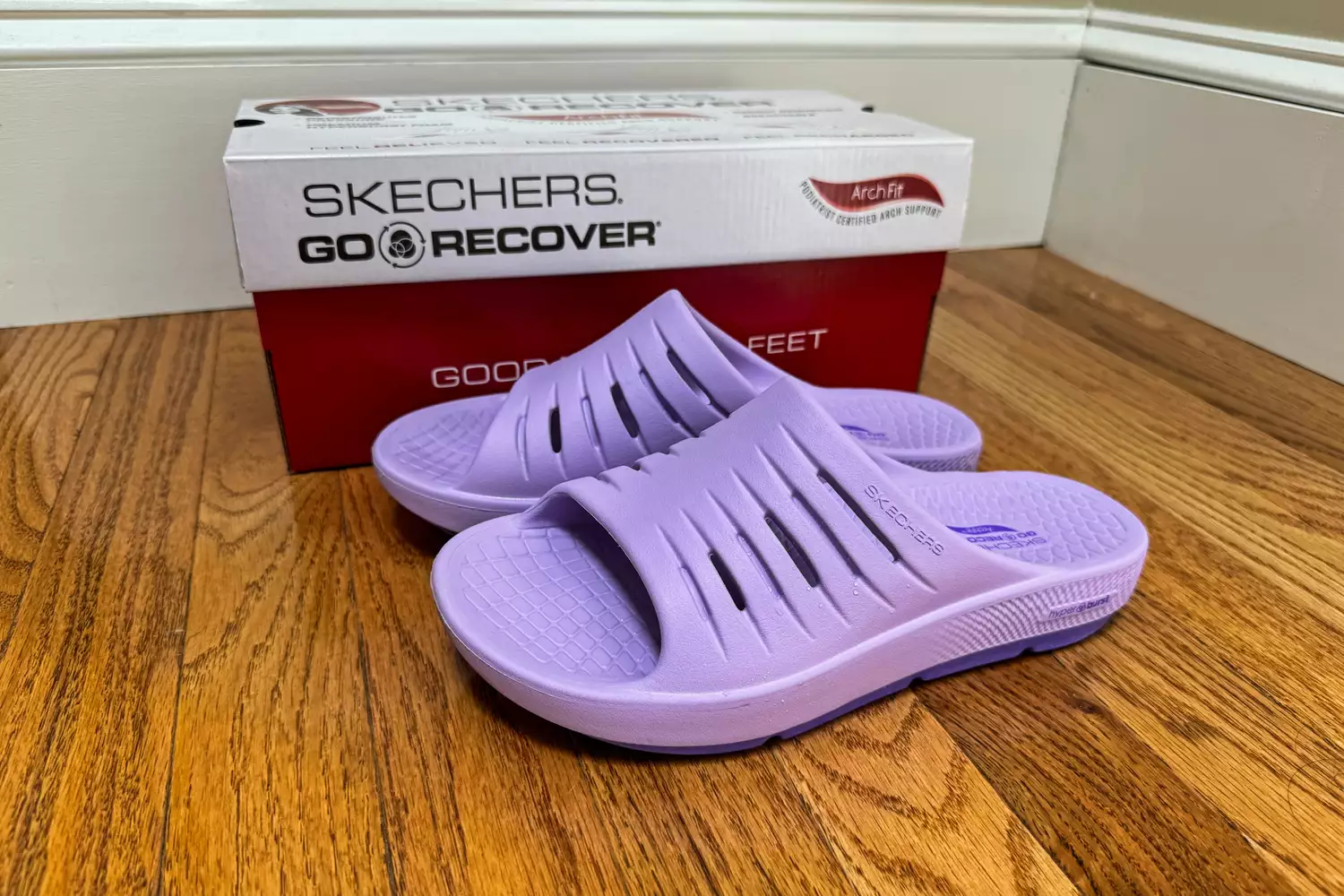
- Best for Plantar Fasciitis: Skechers GO RECOVER — Utilizes a certified arch fit technology to reduce strain on the foot.
- Best for Maximum Stability: HOKA Ora Recovery Slide 3 — Offers a wide base and a rocking geometry for a smooth stride.
- Best Budget: New Balance 200 — Provides essential cushioning and a lightweight feel for everyday relief.
Recovery slides are specialized footwear designed to alleviate lower body fatigue and impact after intense physical activity. Key features include built-in arch support, shock-absorbing midsoles, and ample cushioning to promote foot alignment and blood circulation. These slides help reduce stress on the plantar fascia and joints, providing more effective relief than standard slippers or flip-flops. If you are looking for the best recovery slides, focusing on these podiatrist-approved features will ensure your feet get the rest they deserve.
| Feature | Oofos OOriginal | HOKA Ora Slide 3 | Skechers GO RECOVER |
|---|---|---|---|
| Primary Benefit | Impact Absorption | Smooth Transition | Arch Support |
| Material | Oofoam | Dual-density EVA | Bio-based Foam |
| APMA Sealed | Yes | Yes | Yes |
| Best For | Post-run soreness | Joint fatigue | Plantar fasciitis |
Why Your Feet Need Recovery Slides: The Podiatrist's View
As an editor focused on athletic performance, I have seen too many athletes crush a workout only to sabotage their progress by walking barefoot on hardwood floors immediately afterward. Your feet contain 26 bones and 30 joints that act as your body’s primary shock absorbers. After a high-impact session, those structures are fatigued and need a neutral environment to begin the healing process.
The distinction between standard footwear and post-workout recovery footwear lies in energy dispersion. While a performance running shoe is often built for energy return (rebound), a recovery slide is designed for energy dispersion (dampening). This means the foam actively pulls the vibration away from your joints. This shift in footwear technology is driving a massive trend, as the global recovery footwear market is projected to reach a valuation of approximately $24.6 billion by 2032.
Podiatrists emphasize that these slides do more than just feel soft. They provide essential foot alignment by cradling the heel and supporting the arch, which helps with blood circulation. This mechanical support prevents the foot from flattening out and stretching the plantar fascia, which is critical for long-term health.
Podiatrist’s Tip: Never go barefoot at home if you suffer from chronic foot pain. Using podiatrist approved recovery slides for everyday wear provides a consistent, supportive surface that protects your heels from the impact of hard floors.
The 12 Best Recovery Slides of 2026
1. Oofos OOriginal Sandal
The Oofos OOriginal remains the gold standard for a reason. Its patented foam technology is designed to absorb 37% more impact than traditional athletic shoe foam to reduce stress on feet and joints. This makes it an essential choice for marathon runners who need to protect their legs after long miles.
- Pros: Incredible softness, machine washable, reduces pressure on ankles.
- Cons: Can feel "squishy" to those who prefer a firm base.
- Sizing Tip: If you are a half size, most experts recommend sizing down for a snug fit.
2. HOKA Ora Recovery Slide 3
The HOKA Ora Recovery Slide 3 has earned the American Podiatric Medical Association Seal of Acceptance, which signifies that the product has been found by podiatrists to promote good foot health. It uses a dual-density geometry with a soft top layer and a resilient bottom layer for durability.
- Pros: Excellent stability, dual-density construction, highly breathable.
- Cons: The bulky aesthetic isn't for everyone.
- Sizing Tip: These run wide; those with narrow feet may want to size down.
3. Skechers GO RECOVER ArchFit
For those seeking recovery sandals for plantar fasciitis, the Skechers ArchFit system is a game-changer. This slide features a podiatrist-designed shape developed with 20 years of data. It provides specific metatarsal support to take the pressure off the ball of the foot.
- Pros: Superior arch support, lightweight bio-based foam, very affordable.
- Cons: Straps are not adjustable.
- Sizing Tip: Fits true to size for most athletes.
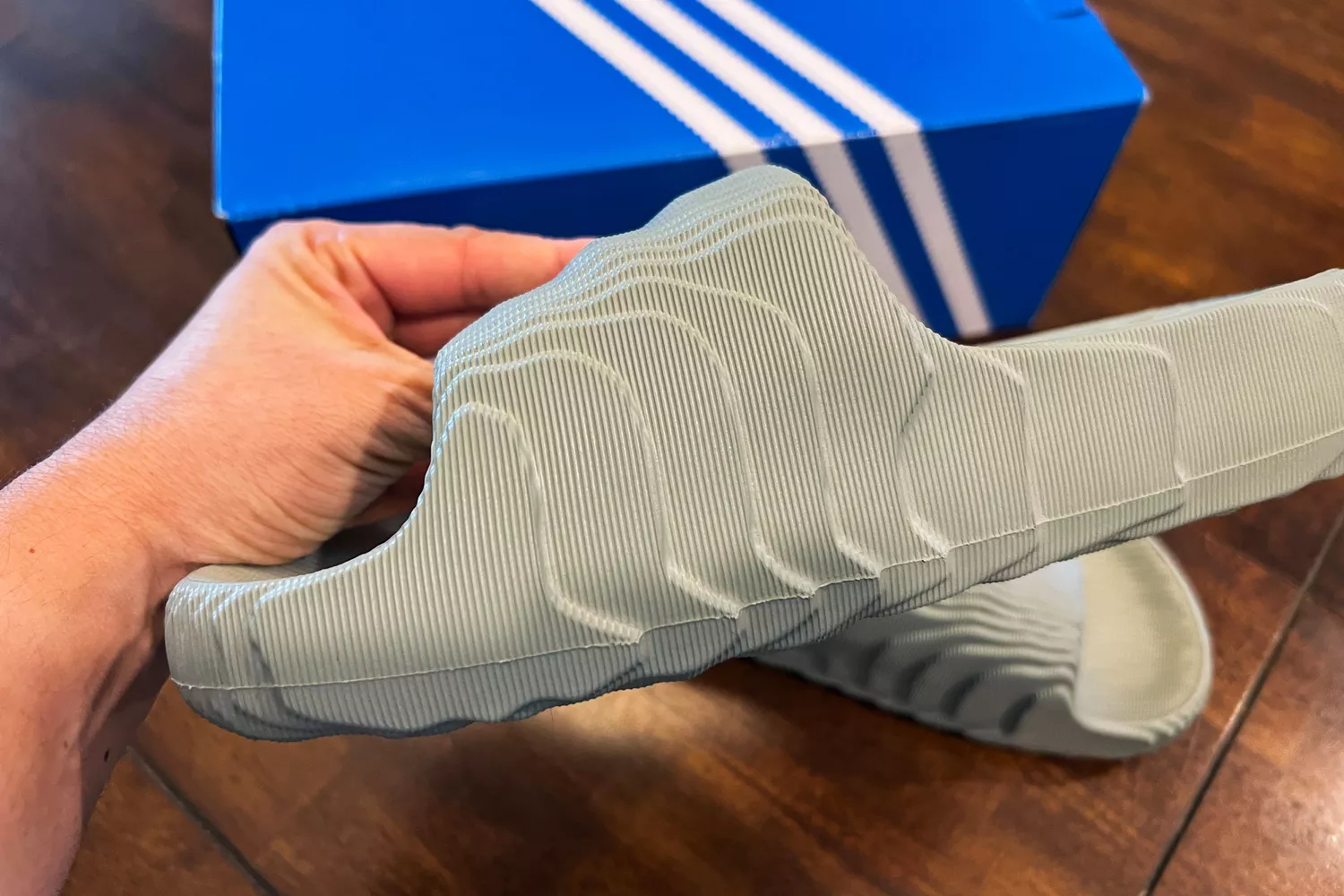
4. Adidas Adilette 22
The Adilette 22 is a futuristic take on a classic. It uses a bio-based RestoreFoam made with sugarcane content. It is a fantastic choice for athletes who want a modern look without sacrificing the energy dispersion needed after a heavy lifting session.
- Pros: Unique 3D-printed look, sustainable materials, good traction.
- Cons: Firmer feel compared to Oofos.
- Sizing Tip: Run slightly large; consider a full size down if you prefer a locked-in feel.
5. Kuru Guru Slide
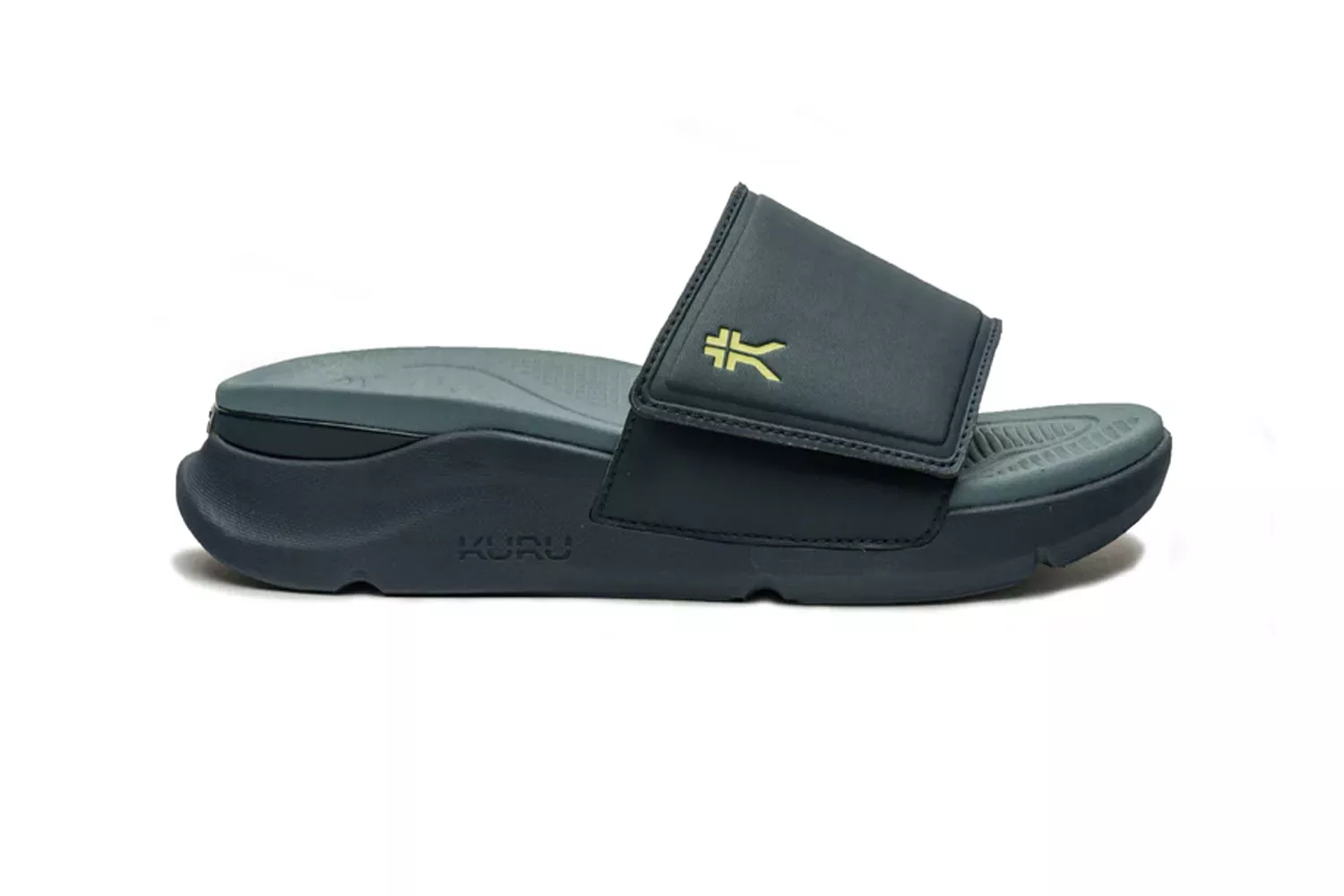
Kuru is known for its Ultimate Insole technology. The Guru slide features a deep heel cup that literally hugs your heel, preventing the fat pad of the foot from spreading out. This provides supportive recovery slides for flat arches by keeping the foot in a neutral position.
- Pros: Unmatched heel stability, helps with alignment, durable outsole.
- Cons: Higher price point than basic foam slides.
- Sizing Tip: Standard athletic sizing applies here.
6. Kane Revive
Kane offers a unique take on post-workout recovery footwear for marathon runners. These are active recovery shoes designed with a closed-toe but high breathability. The exterior features nodes that stimulate blood flow through a massage-like effect on the footbed.
- Pros: Full foot protection, waterproof, promotes circulation.
- Cons: Can be difficult to put on with thick socks.
- Sizing Tip: Kane provides a detailed fit guide; usually, a size down is best for a performance fit.
7. Birkenstock Arizona EVA
The classic cork footbed is replaced here with high-quality EVA foam. It maintains the legendary Birkenstock arch support while being completely waterproof. This is one of the best recovery slides for walking on hardwood floors because it offers a rigid, structured support that foam-only slides sometimes lack.
- Pros: Anatomically shaped footbed, very lightweight, adjustable straps.
- Cons: Takes a few days to "break in" the foam.
- Sizing Tip: Use the European size chart for the most accurate fit.
8. Nike Victori One Next Nature
If you need waterproof recovery slides for beach and pool use, the Nike Victori One is a solid pick. It uses at least 20% recycled content by weight and features a contoured footbed with a grippy pattern to keep your foot from sliding when wet.
- Pros: Cheap, widely available, dries quickly.
- Cons: Lacks the deep metatarsal support found in medical-grade slides.
- Sizing Tip: If you are between sizes, go up.
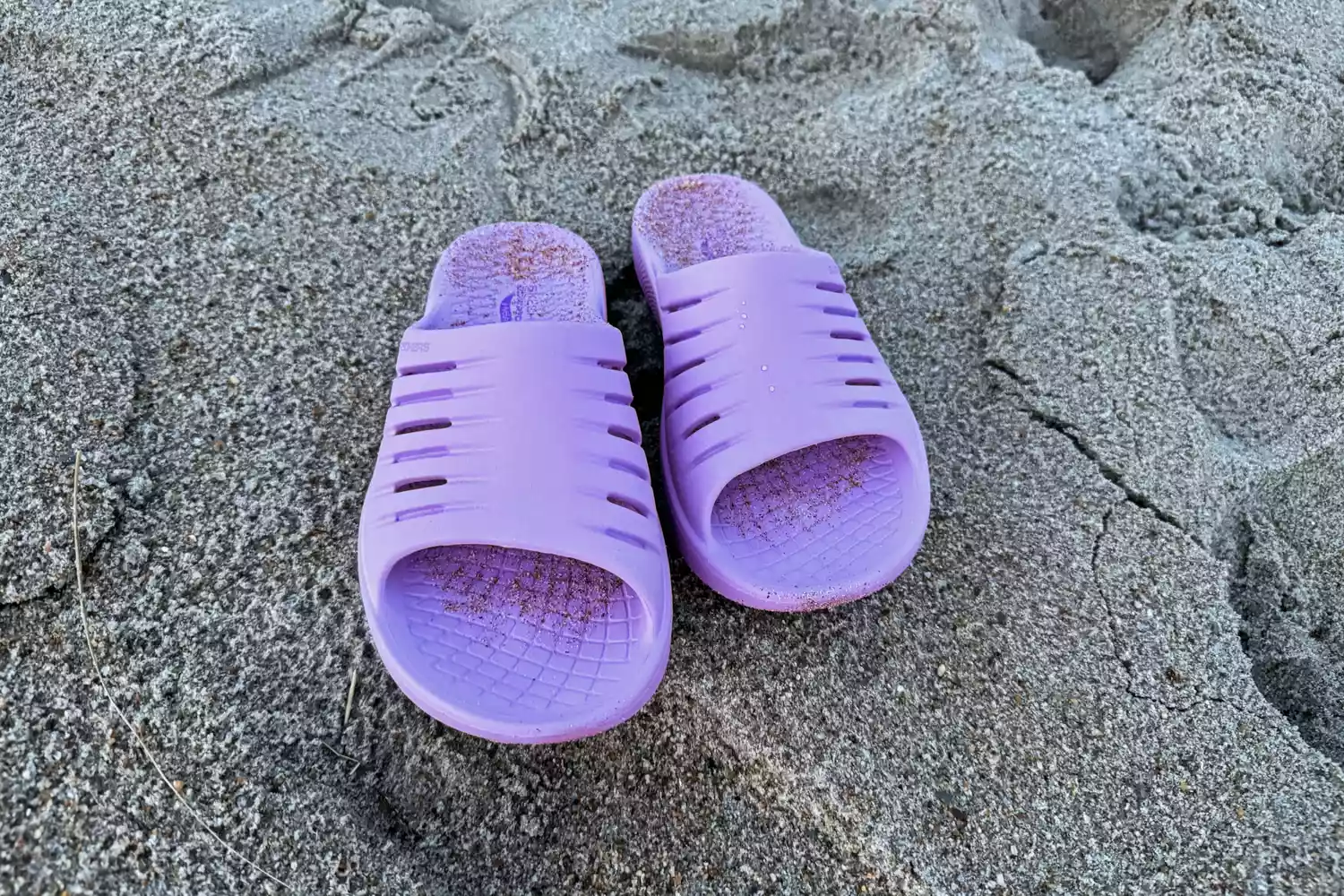
9. Under Armour Ignite VI
These are the best recovery slides for those who experience swelling. The adjustable strap allows you to loosen the fit when your feet are inflamed after a long run and tighten it once the swelling goes down.
- Pros: Customizable fit, memory foam cushioning, affordable.
- Cons: Memory foam stays wet longer than EVA foam.
- Sizing Tip: The adjustable strap makes sizing very forgiving.
10. Crocs Mellow Recovery Slide
The Mellow collection is Crocs’ answer to the recovery trend. It features a simple, clean design with a deep, cupped footbed. It offers a sink-in softness that provides immediate best recovery slides for plantar fasciitis relief by cushioning the heel strike.
- Pros: Extremely plush, easy to clean, modern minimalist look.
- Cons: Can be slippery on certain wet tile surfaces.
- Sizing Tip: These fit very large; most people need to size down by one full size.
11. Lululemon Restfeel Slide
Designed for the "to and from" transition, the Restfeel offers a dual-density foam that balances soft cushioning with a firmer outsole. It’s a stylish option that works well for post-yoga or light gym days.
- Pros: Sleek design, secure strap, good for casual wear.
- Cons: Minimal arch support compared to HOKA or Oofos.
- Sizing Tip: True to size.
12. New Balance 200
Simple and effective, the New Balance 200 uses a plush foam top layer and a durable ground-contact EVA. It is the best budget option for athletes who want a reliable recovery tool without a triple-digit price tag.
- Pros: Very light, reliable brand, great value.
- Cons: The foam compresses faster than premium models.
- Sizing Tip: Order your standard New Balance sneaker size.
Buyer’s Guide: How to Choose the Right Pair
Selecting the right recovery gear is just as important as choosing your primary training shoes. When you are looking for the best recovery slides, you should perform a few quick checks to ensure they will actually help your feet heal.
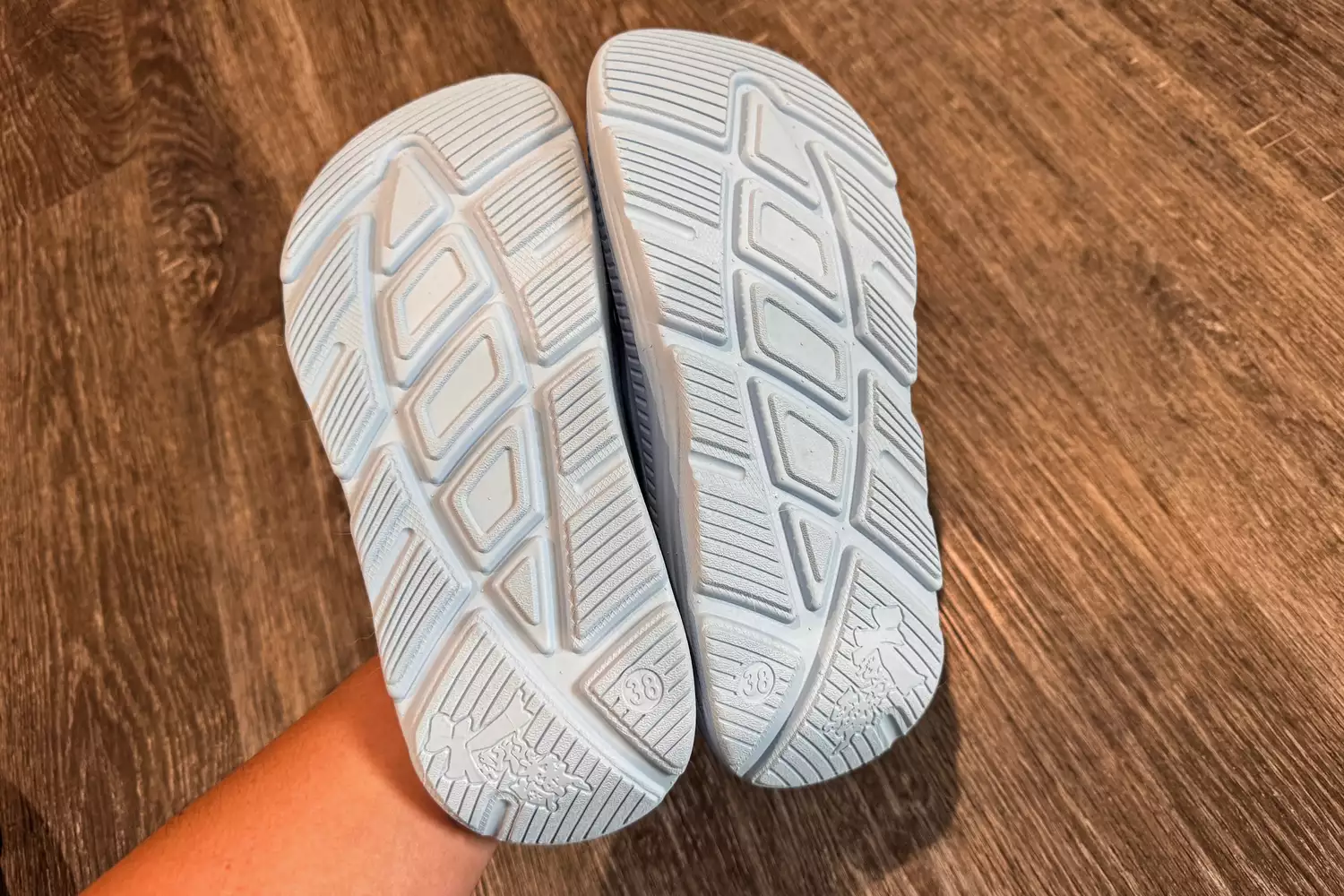
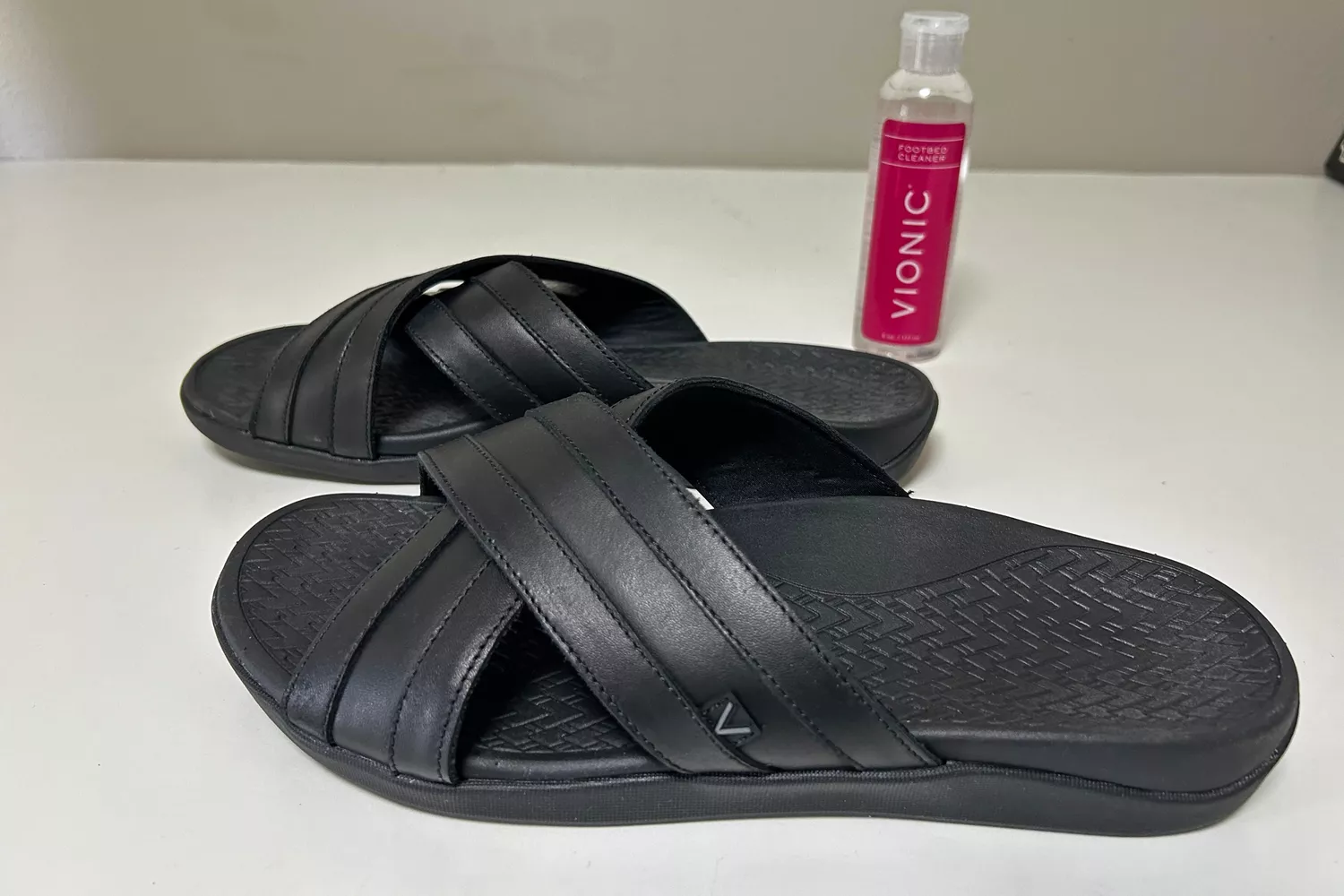
The Bend Test: Pick up the slide and try to fold it in half. A high-quality recovery slide should be rigid through the midfoot and only flex slightly at the forefoot. If it folds easily in the middle, it lacks the arch support necessary to protect your plantar fascia.
Look for a deep heel cup that keeps your foot centered over the cushioning. This prevents the side-to-side motion that can strain tendons. Also, check for the APMA Seal of Acceptance to ensure the design is medically sound. Finally, remember that the foam in these slides has a lifespan. Just like running shoes, most recovery slides should be replaced every 300 to 500 miles—or about once a year if you wear them daily around the house.
FAQ
What are the benefits of wearing recovery slides?
Wearing recovery slides helps reduce the load on your joints and muscles after a workout. They provide specialized cushioning that absorbs impact more effectively than barefoot walking, which speeds up the recovery process by allowing inflammation to subside and improving blood circulation in the feet.
How do recovery slides help with foot pain?
They help by providing a contoured footbed that supports the natural shape of the foot. By including features like a cushioned footbed and shock-absorbing midsole, these slides take the pressure off high-stress areas like the heel and the ball of the foot, which reduces overall pain.
Can you wear recovery slides for plantar fasciitis?
Yes, podiatrists frequently recommend recovery slides for plantar fasciitis. The built-in arch support and deep heel cup prevent the foot from over-pronating or flattening, which reduces the tension on the plantar fascia ligament and allows it to heal while you walk.
How should recovery slides fit?
Recovery slides should fit securely but not tightly. Your heel should sit squarely within the heel cup, and your arch should feel supported by the contour of the footbed. Since feet often swell after exercise, many athletes prefer a slightly roomier fit or adjustable straps.
Do recovery slides provide arch support?
Most high-quality recovery slides are designed specifically with arch support to maintain proper foot alignment. Unlike flat flip-flops, these slides use biomechanical designs to support the midfoot and prevent the arches from collapsing under your body weight.
Priority for Performance
Investing in your feet is an investment in your athletic longevity. Whether you are dealing with chronic issues or just looking to bounce back faster after a weekend race, the right post-workout recovery footwear can make all the difference. Prioritize the science of impact absorption and proper alignment, and your feet will keep you moving for years to come.