Our Top Picks
- Best Overall Road Shoe: Altra Paradigm 7 — High-level cushioning with a stable, level platform.
- Best for Technical Trails: Altra Lone Peak 7 — Exceptional traction and a foot-shaped design for stability on uneven ground.
- Best Minimalist Feel: Xero Shoes HFS II — Lightweight and flexible for those seeking maximum ground feel.
- Best for Wide Feet: Topo Athletic Magnifly 4 — Features an anatomical toe box and a secure midfoot fit.
- Best Daily Trainer: Altra Torin 7 — A versatile, responsive shoe suitable for various distances and paces.
Zero drop running shoes feature a level platform where the heel and forefoot are at the same height from the ground. Unlike traditional running shoes that typically have a 10mm drop, zero drop footwear encourages a more natural midfoot or forefoot strike. This alignment can help improve foot biomechanics, strengthen arches, and reduce impact on the knees and hips by distributing weight more evenly across the foot's natural structure.
What Are Zero Drop Running Shoes?
When we talk about drop in footwear, we are referring to the heel-to-toe differential. In a standard sneaker, your heel sits significantly higher than your toes, which can shorten the Achilles tendon over time and alter your natural gait cycle. Zero drop running shoes eliminate this slant. By placing the foot in a neutral, level position, these shoes mimic the way we are built to move barefoot while still providing necessary protection from the pavement or trail.
It is important to distinguish between zero drop and a wide toe box running shoes. While most podiatrist recommended running shoes in this category feature both, they are separate design elements. A zero drop platform dictates the height of the sole, whereas an anatomical toe box ensures your toes are not cramped. Together, these features promote better toe splay, which is essential for balance and power during the toe-off phase of your stride.
The interest in this category is surging as more athletes look for ways to reduce chronic injury rates. In fact, the global zero-drop and low-drop running shoe market is estimated to reach a valuation of $547.94 million in 2024. This growth reflects a shift toward footwear that respects human anatomy rather than trying to override it with excessive heel wedges.
Top 10 Podiatrist-Recommended Zero Drop Shoes for 2024
Selecting the right pair requires balancing your specific terrain needs with your current level of foot strength. The following podiatrist recommended zero drop running shoes 2024 represent the gold standard for design, durability, and biomechanical support.
| Model | Best For | Stack Height | Key Feature |
|---|---|---|---|
| Altra Paradigm 7 | Stability & Long Runs | 30mm | GuideRail support system |
| Altra Lone Peak 7 | Technical Trail Running | 25mm | MaxTrac outsole traction |
| Xero Shoes HFS II | Minimalist Enthusiasts | 9mm | 5,000-mile sole warranty |
| Topo Athletic Magnifly 4 | Road Training | 25mm | Dual-density foam midsole |
| Altra Torin 7 | Versatile Daily Use | 30mm | EGO MAX foam responsiveness |
| Vivobarefoot Primus Lite III | Cross-Training/Speed | 4mm | Maximum sensory feedback |
| Altra Olympus 5 | Max Cushion Trails | 33mm | Vibram Megagrip outsole |
| Xero Shoes Mesa Trail II | Lightweight Hiking/Trail | 12mm | Protective hidden layer |
| Altra Escalante 3 | Fast Tempos | 24mm | Sock-like knit upper |
| Topo Athletic ST-5 | Gym & Light Running | 14mm | Secure heel locking |
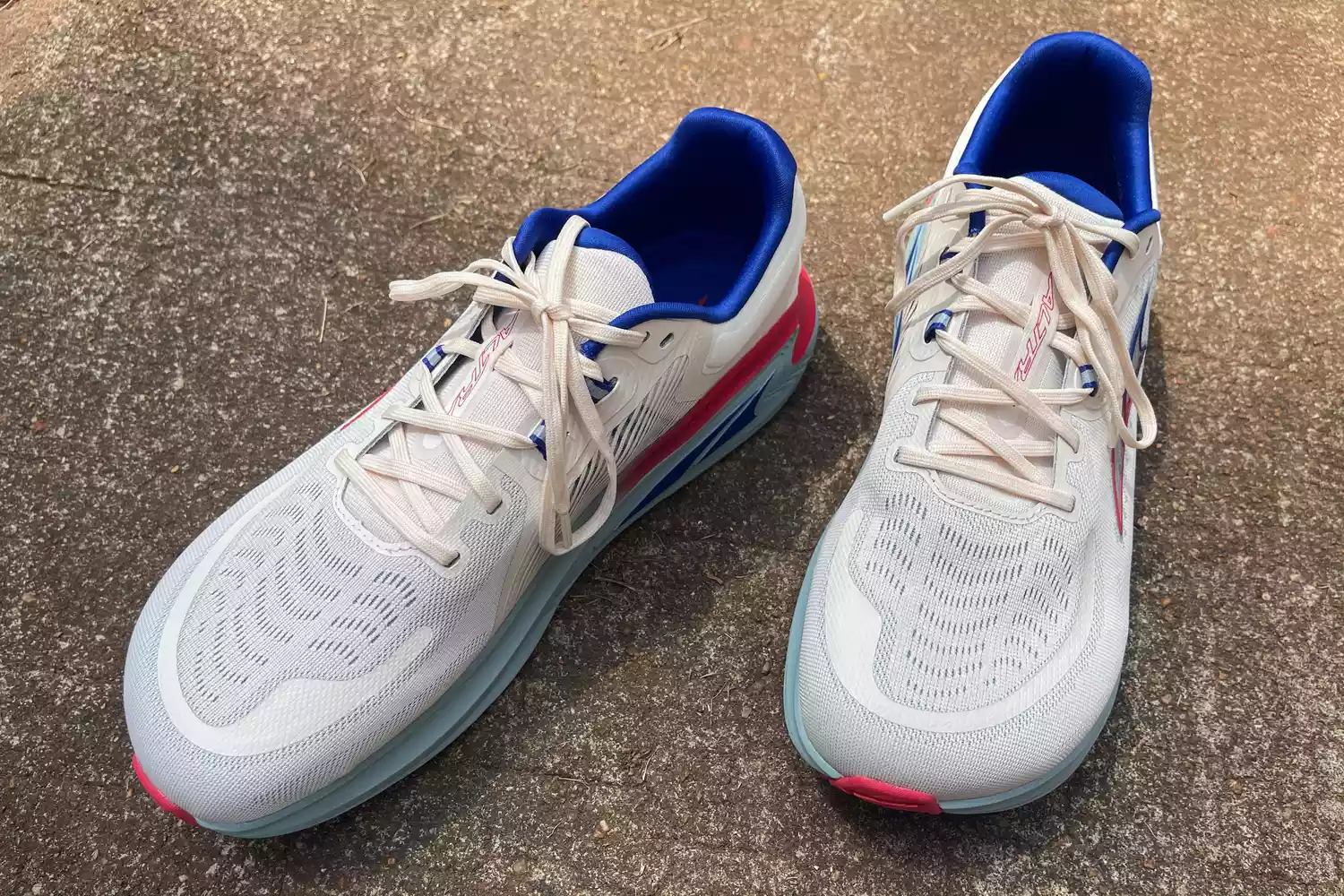
Altra Paradigm 7: The Stability King
For those who need extra support without the traditional heel lift, the Paradigm 7 is a standout. It is often cited as the best zero drop running shoes for overpronation and knee stability because of its GuideRail technology. This feature acts like a bumper on a bowling lane, only providing guidance when your foot begins to collapse inward.
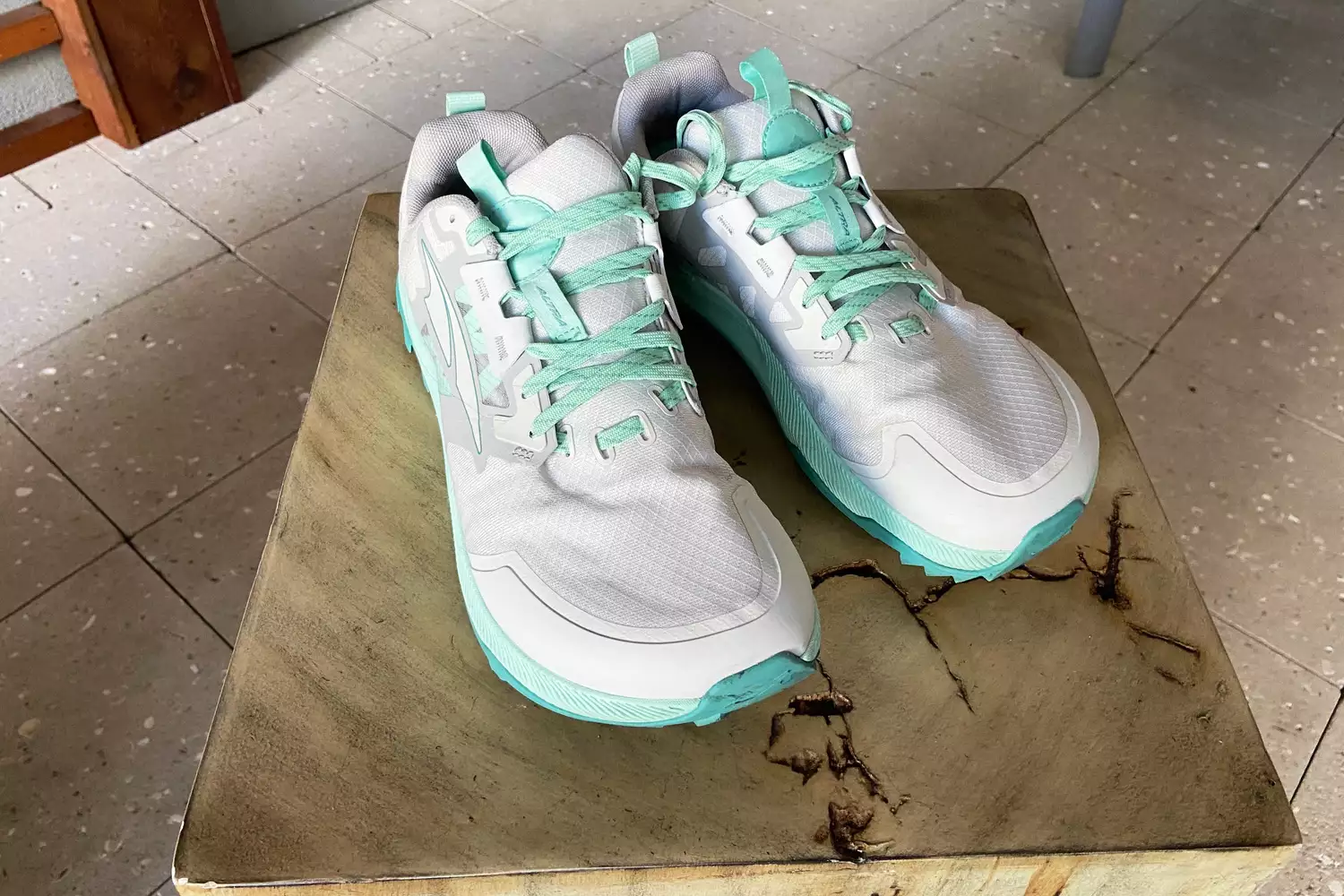
Altra Lone Peak 7: Trail Versatility
When the pavement ends, the Lone Peak 7 takes over. It is widely considered the best zero drop trail running shoes for technical terrain due to its multi-directional lugs and protective stone guard. This model allows the foot to react naturally to rocks and roots, which can actually help prevent ankle sprains by keeping the center of gravity low and stable.
Xero Shoes HFS II: True Minimalism
If you want to feel the ground, Xero Shoes are the way to go. They offer a thin sole that maximizes proprioception—your brain's ability to sense the position of your feet. This brand is a favorite among those who want to transition to minimalist footwear fully. Their commitment to durability is evidenced by a 5,000-mile sole warranty, making them a cost-effective choice for high-mileage walkers and runners.
Topo Athletic Magnifly 4: Anatomical Precision
Topo Athletic creates shoes that are technically zero drop but feel slightly more familiar to traditional runners. The Magnifly 4 is one of the best zero drop running shoes for wide feet and bunions because its toe box is designed to follow the natural curve of the foot, preventing the pinky toe from being squeezed.
How to Transition to Zero Drop Running Shoes Safely
You cannot simply swap your 12mm drop shoes for zero drop models and head out for a marathon. Doing so is a recipe for calf strains and Achilles issues. Because zero drop running shoes allow the heel to drop further during the gait cycle, they place higher demands on the posterior chain.
The transition to zero drop shoes requires a patient approach. A 2021 study found that runners who transitioned to minimalist footwear for six months experienced a 57% increase in foot strength. However, that strength takes time to build.
Caution: The 36-Hour Rule If you experience muscle soreness that lasts more than 36 hours after wearing new zero drop shoes, you have progressed too quickly. Scale back your mileage or wearing time immediately to avoid overuse injuries.
Experts recommend starting by wearing the shoes for short walks or light cross-training before introducing them to your running routine. Gradually increase mileage over several months, rotating them with traditional shoes, to allow muscles and tendons to adapt to the increased range of motion and different loading patterns. A safe protocol is the 10-minute rule: only use the new shoes for 10 minutes of your run during the first week, and add 5 to 10 minutes each subsequent week as long as you remain pain-free.
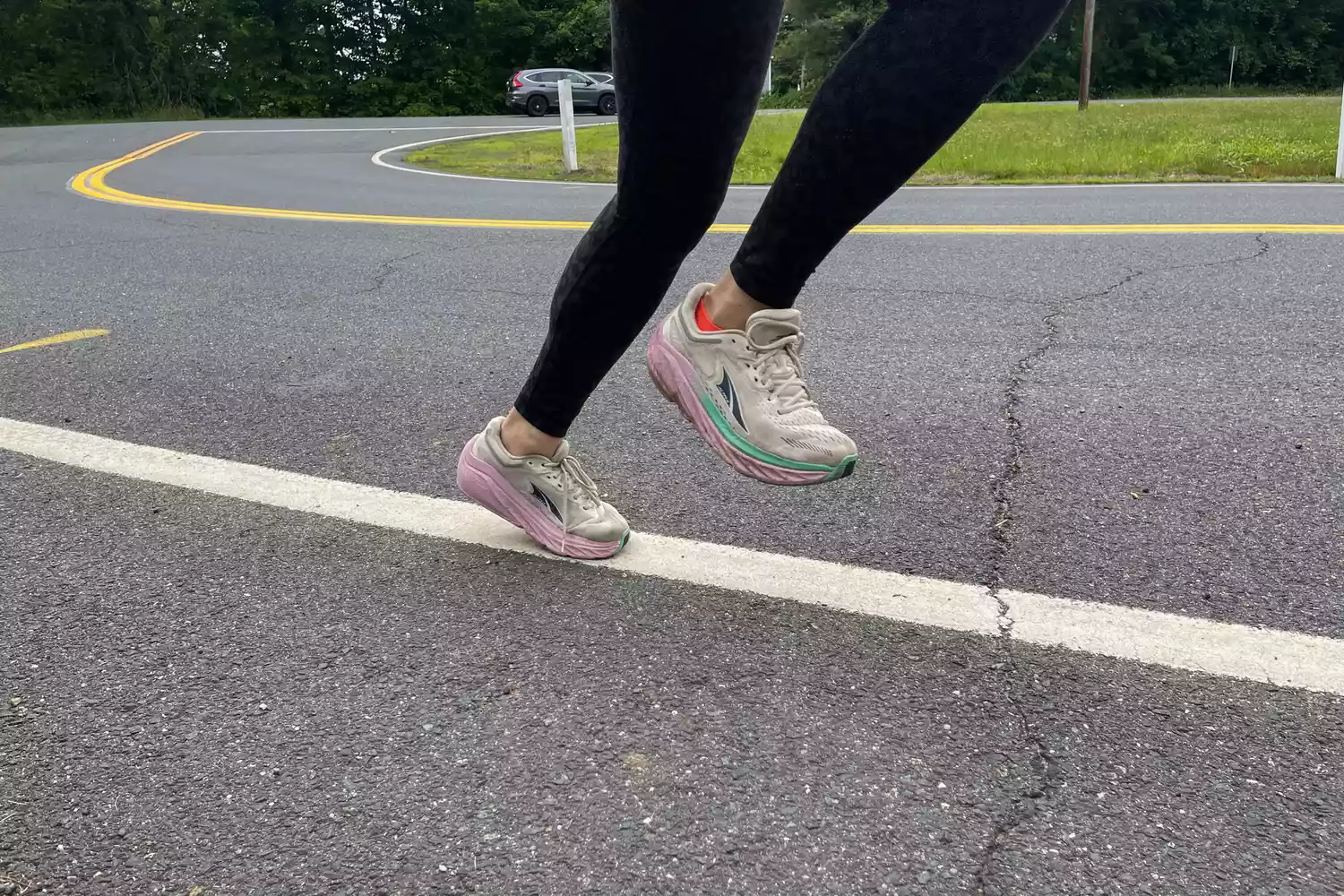
Focusing on calf stretches and eccentric heel drops during this period is essential. This helps manage Achilles tendon tension while your body adjusts to the new foot biomechanics. The zero-drop and low-drop running shoe sector is projected to grow at a Compound Annual Growth Rate of 5.1% from 2024 through 2033, which means more athletes are successfully making this switch by following these safety guidelines.
Buyer's Guide: Finding Your Perfect Drop
Not all zero drop running shoes are created equal. The feel of the shoe depends heavily on the stack height—the amount of material between your foot and the ground.
Understanding Stack Height Zones
- Minimalist (3mm to 12mm): These provide a barefoot feel. They are excellent for building foot strength but offer very little shock absorption.
- Standard (13mm to 25mm): These are the sweet spot for most trail runners and daily trainers. They offer a balance of ground feel and protection.
- Maximalist (26mm+): Models like the Altra Paradigm or Olympus fall here. These are cushioned zero drop running shoes for road running that protect the joints during long-distance efforts without sacrificing the level platform.
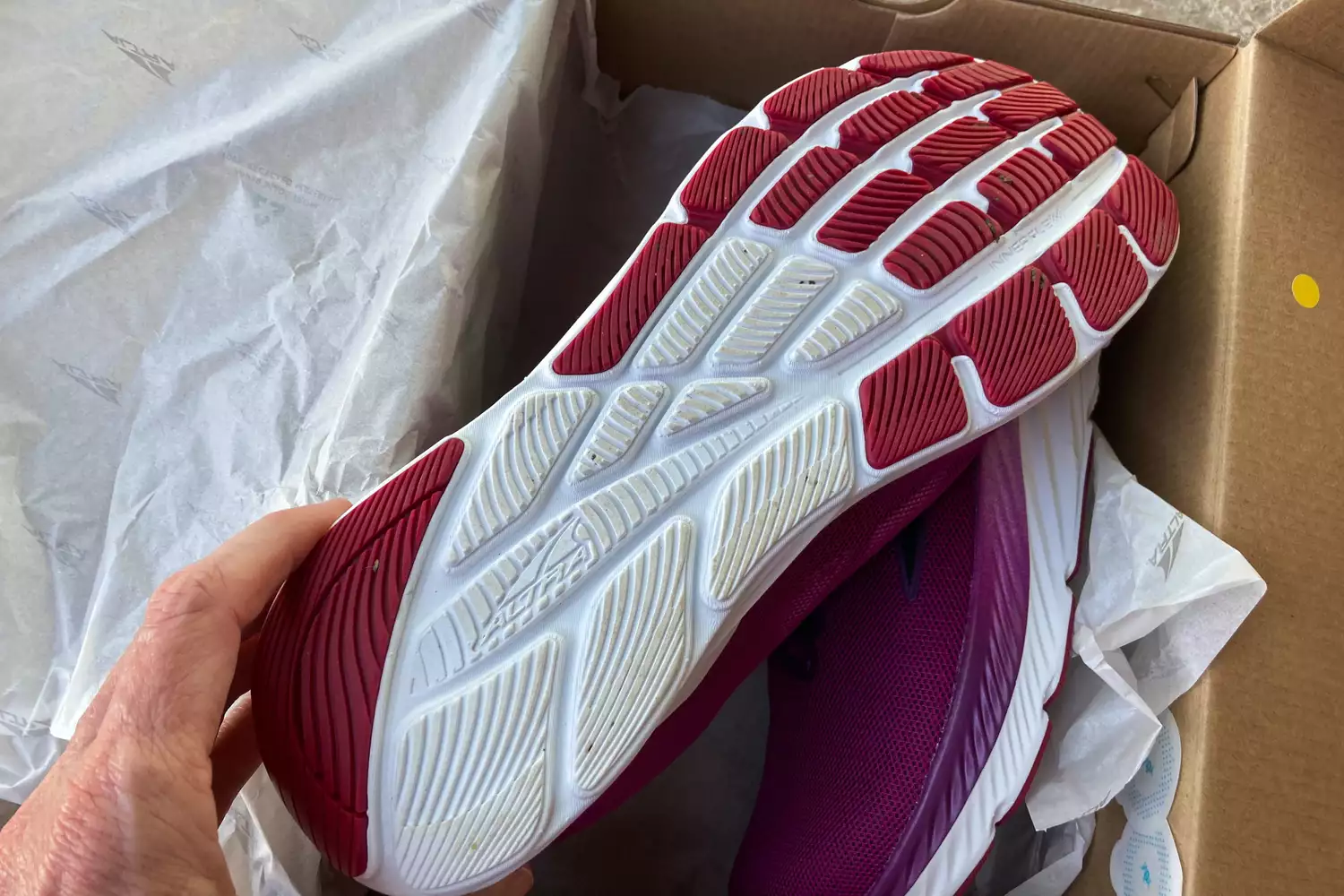
The APMA Seal of Acceptance
When selecting zero drop shoes, prioritize those with the APMA Seal of Acceptance. This seal is granted by the American Podiatric Medical Association to products that promote good foot health. Brands like Altra and Topo frequently earn this distinction, ensuring their wide toe box running shoes are designed with clinical expertise.
Decision Tree for Foot Conditions
- Plantar Fasciitis: Look for a higher stack height with a stiff midsole to reduce strain on the fascia.
- Bunions/Neuromas: Prioritize an anatomical toe box to reduce pressure on the forefoot.
- Knee Pain: Zero drop shoes can help by encouraging a midfoot strike, but ensure the shoe has adequate shock absorption if you run on hard surfaces.
FAQ
What are the benefits of zero drop running shoes?
These shoes promote a natural gait cycle by aligning the heel and forefoot. This alignment encourages a midfoot strike, which reduces the braking forces associated with heel striking and helps distribute impact more evenly across the body.
Are zero drop shoes good for your feet?
Yes, for most people, they are beneficial because they allow the foot to function as it was designed. They help strengthen the intrinsic muscles of the foot and can alleviate issues caused by the narrow, elevated designs of traditional footwear.
How do I transition to zero drop running shoes safely?
Start slowly by wearing them for daily activities first. When you begin running in them, follow a gradual progression—replacing only a small fraction of your weekly mileage with the new shoes—and listen to your body for signs of calf or Achilles strain.
Can zero drop shoes cause calf pain?
They can if you transition too quickly. Because the heel is lower than in traditional shoes, the calf muscles and Achilles tendon must stretch further. This increased demand can cause soreness if the muscles have not yet adapted to the new range of motion.
Are zero drop shoes better for knee pain?
Many runners find relief from knee pain with zero drop footwear. By moving the strike point from the heel to the midfoot, the impact is absorbed more by the feet and calves rather than being transmitted directly up into the knee joint.
Do zero drop shoes help with flat feet?
By providing a level platform and a wide toe box, these shoes allow the foot to splay and the arch to engage more effectively. Over time, this can help strengthen the foot’s natural support structures, though people with severe flat feet should consult a podiatrist before making the switch.
Conclusion and Health Disclaimer
The move toward more natural footwear is more than just a trend; it is a return to foundational biomechanics. Whether you are looking for cushioned zero drop running shoes for road running or a minimalist pair for the gym, the key to success is a slow, measured transition. While podiatrist recommended zero drop running shoes 2024 offer incredible benefits for foot strength and joint health, they are tools that must be used correctly.
Always remember that every runner's anatomy is unique. Before making a significant change to your footwear, especially if you have a history of foot or ankle injuries, consult with a Doctor of Podiatric Medicine (DPM) or a qualified physical therapist.